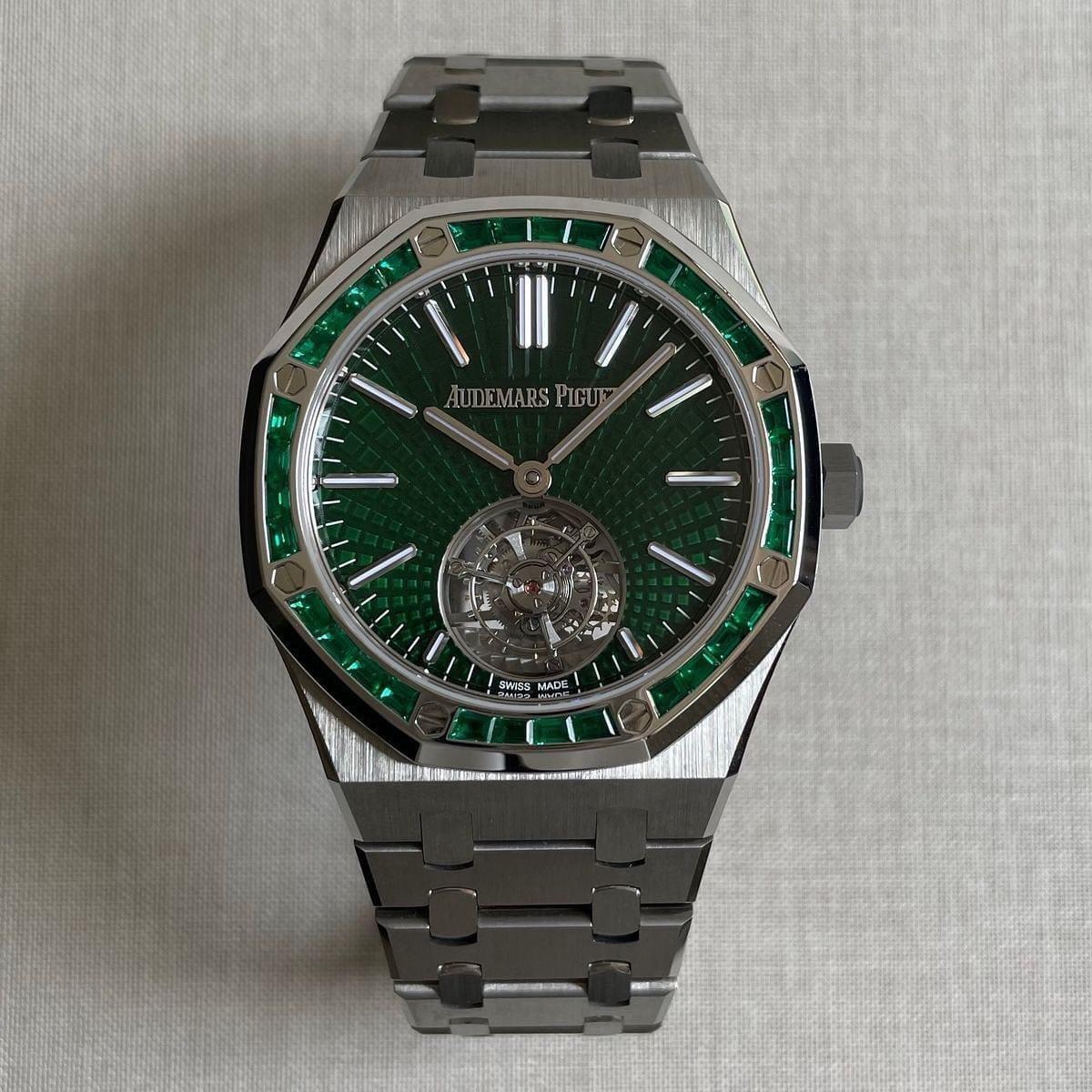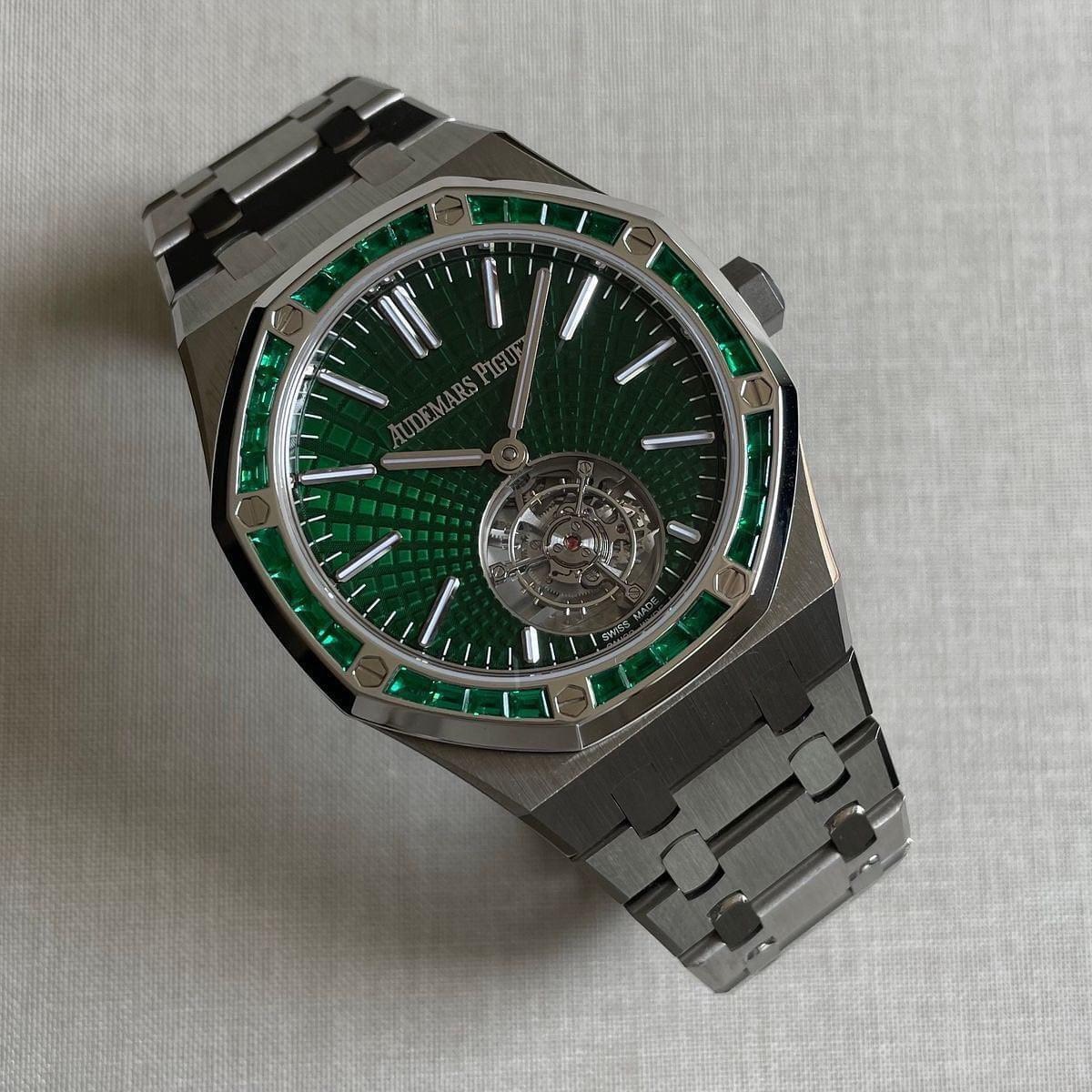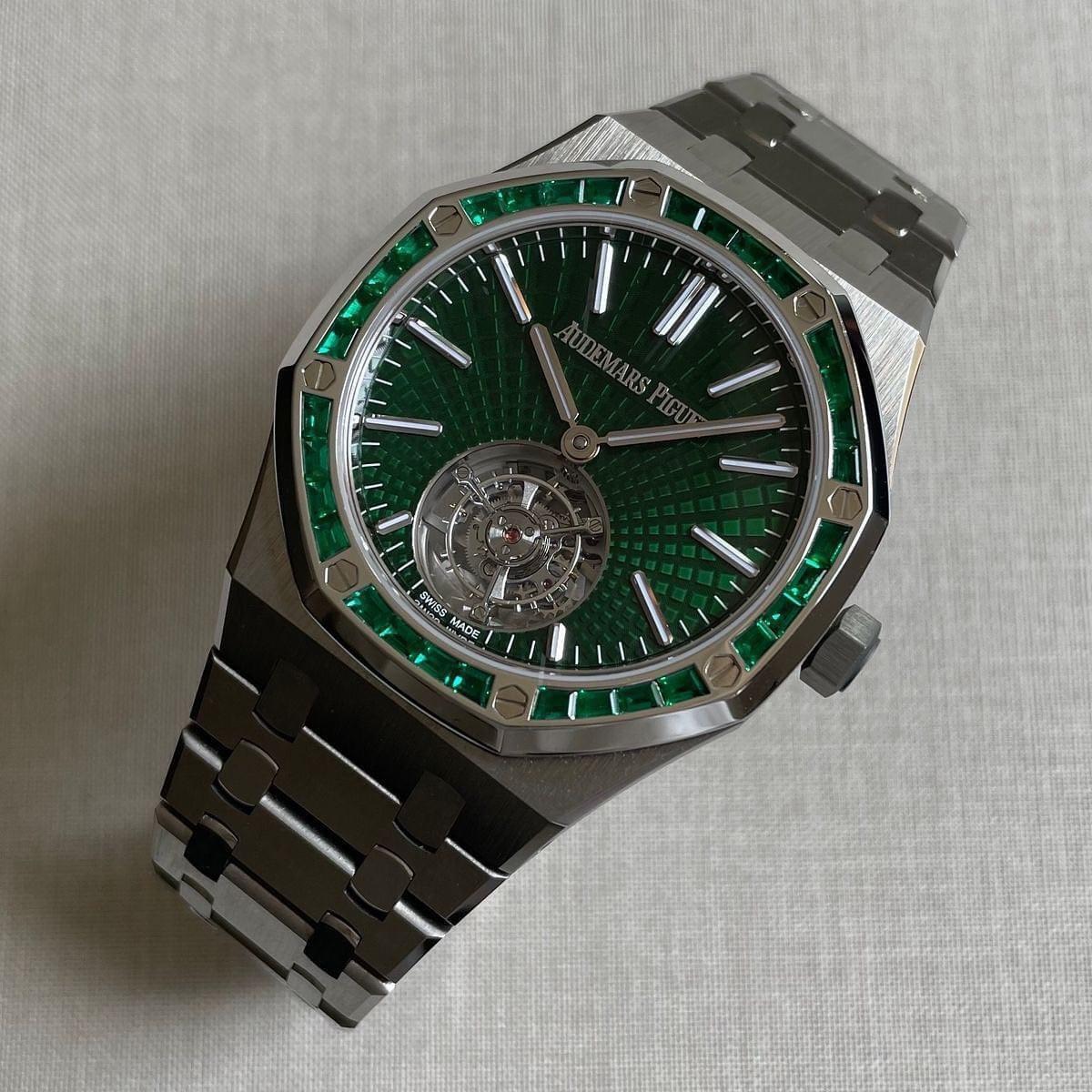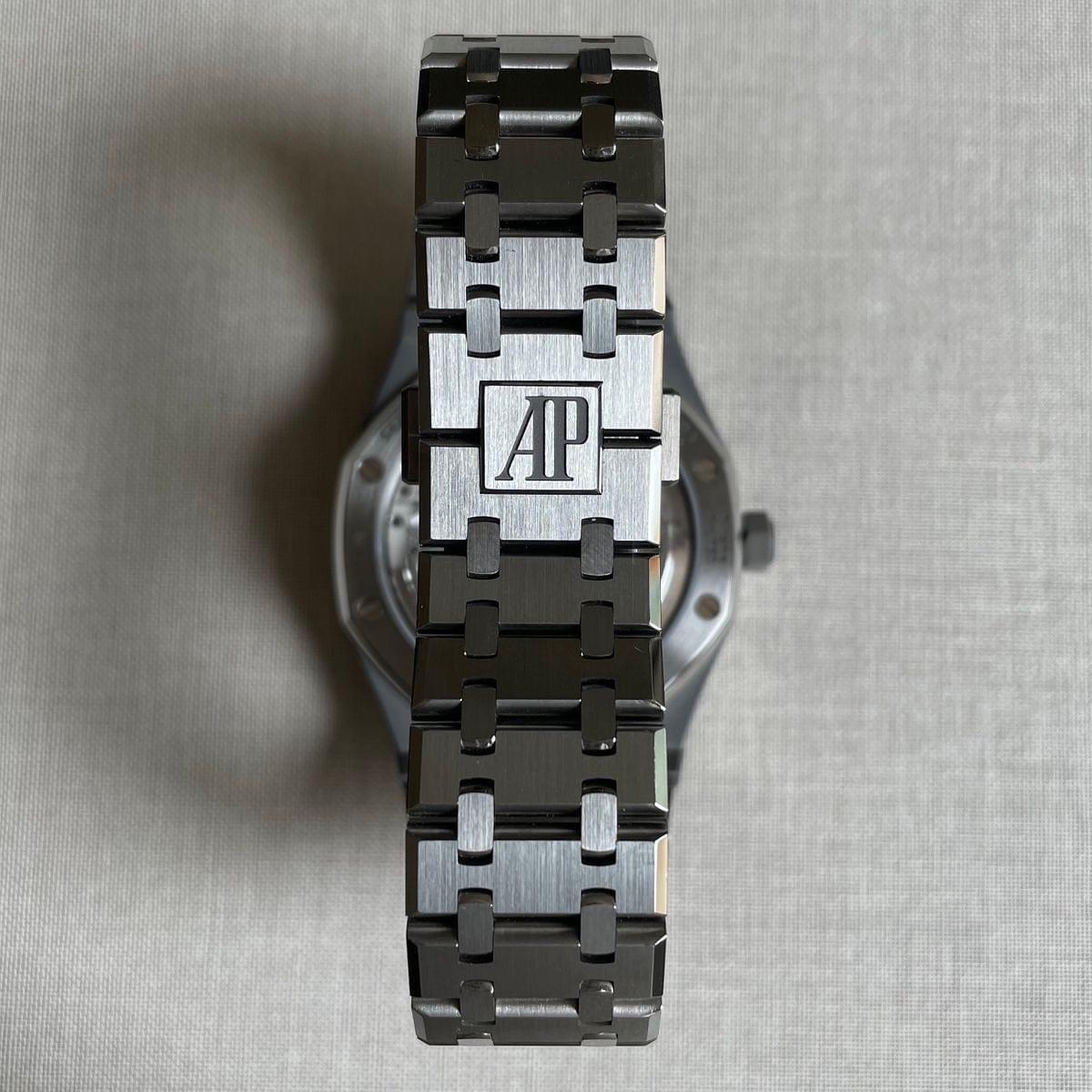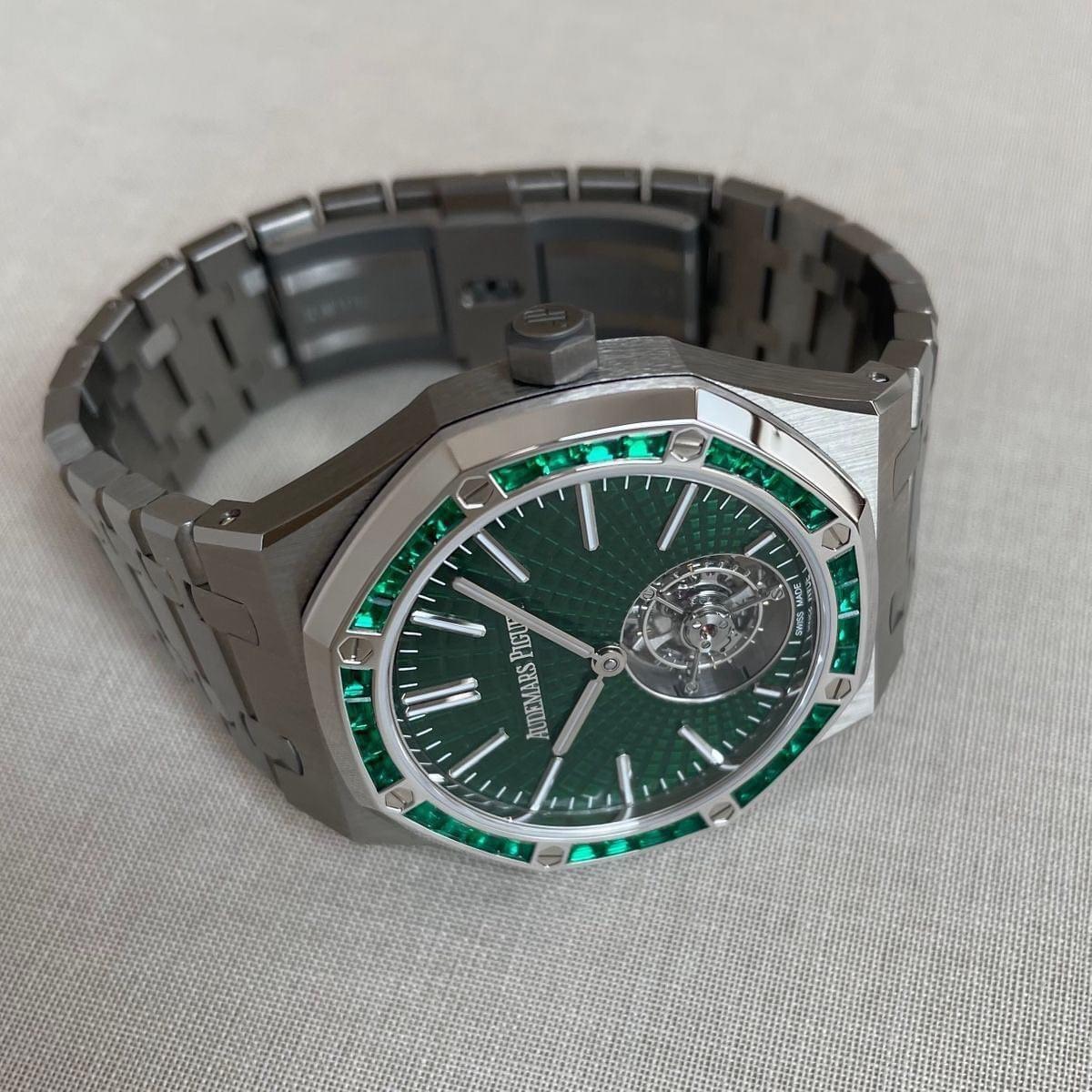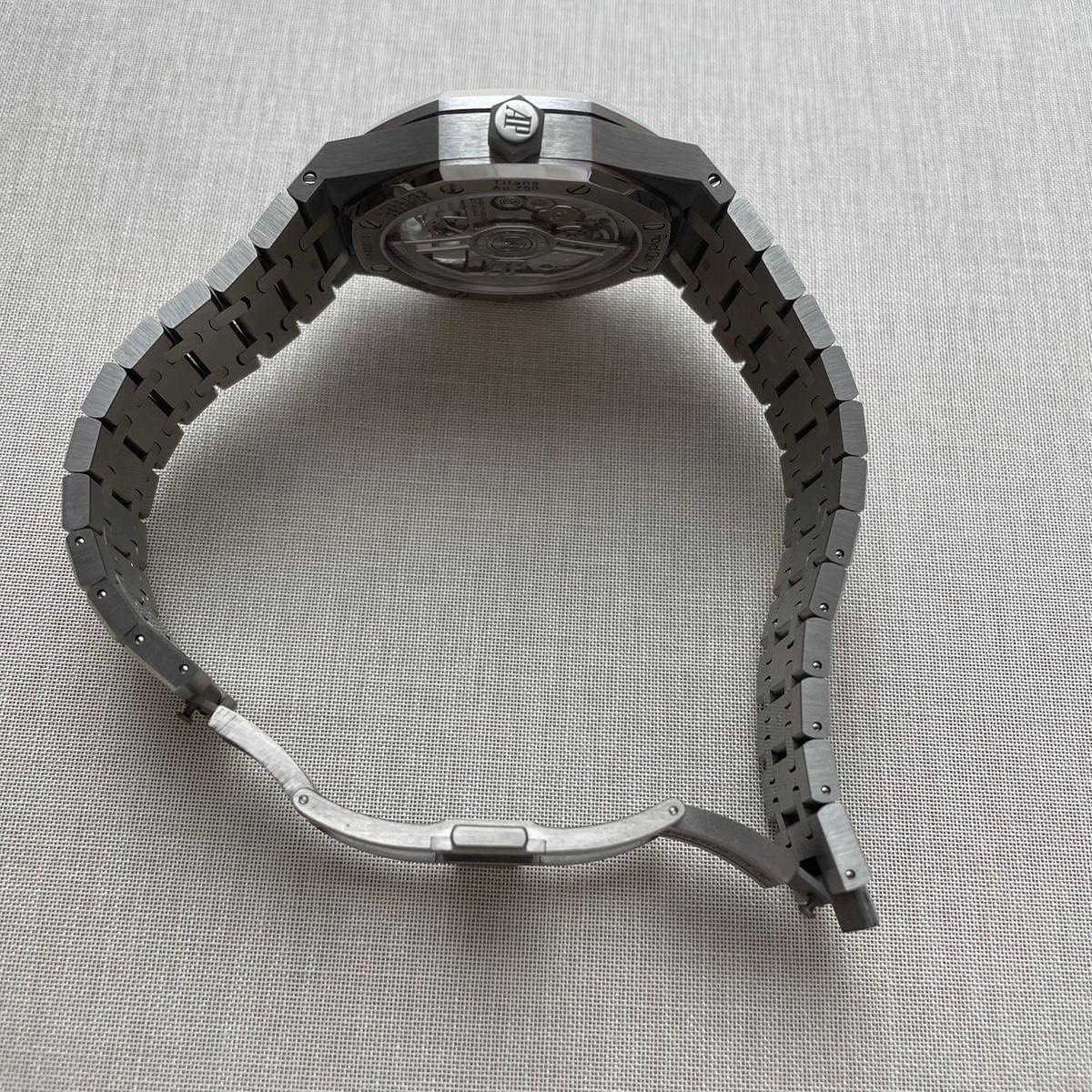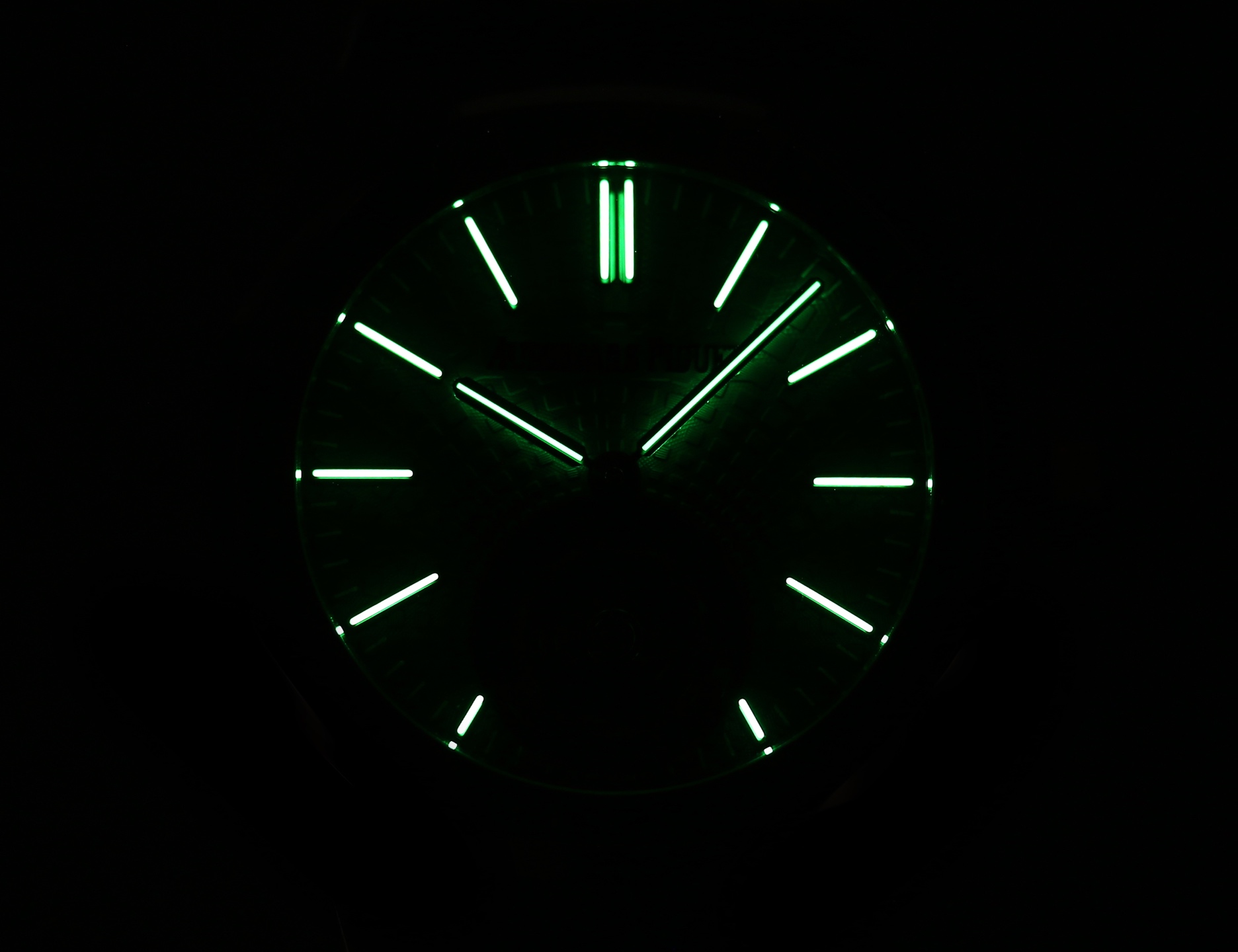
In an industry where innovation and heritage are inextricably linked, Audemars Piguet has once again captured attention with its latest release: the Royal Oak Self-Winding Flying Tourbillon, reference 26530ST.OO.1220ST.01. This timepiece exemplifies a seamless fusion of technical ingenuity and aesthetic refinement, qualities that Audemars Piguet has meticulously cultivated over generations.
The Heart of the Timepiece
At the core of this watch lies Audemars Piguet’s latest in-house movement, the Calibre 2950. This movement ingeniously combines a flying tourbillon with a central rotor, encapsulating the brand’s prowess in marrying complexity with elegance. Tourbillons have long been regarded as the epitome of watchmaking sophistication, both for their technical challenge and for their dramatic visual appeal. By integrating an automatic winding mechanism, Audemars Piguet enhances the practicality of the tourbillon, thus elevating its functionality for daily wear—a crucial consideration in today’s market where the boundary between luxury and practicality continues to blur.
Aesthetic Innovations
Departing from its traditional ‘Tapisserie’ dial, this model introduces a novel design radiating from the 6 o’clock flying tourbillon, lending the dial a dynamic, starburst effect. Measuring 41mm in diameter and 12.5mm in thickness, the case retains the iconic Royal Oak silhouette, a symbol of both the robustness expected from a sports watch and the sophistication associated with haute horlogerie. Such design decisions not only underscore Audemars Piguet’s dedication to aesthetic innovation but also respond to an evolving consumer demand for watches that transcend the utilitarian origins of sport timepieces.
The Economic and Market Context
The luxury sports watch segment has seen a seismic shift, moving from a niche, utilitarian focus to a central player in haute horlogerie. As the appetite for high-end sports watches grows among affluent consumers, the Royal Oak Self-Winding Flying Tourbillon stands as a rare blend of luxury, complexity, and durability. Its introduction fills a market gap for sophisticated sports watches that deliver both high mechanical complexity and practical utility. While most luxury brands focus on either aesthetic appeal or mechanical innovation, Audemars Piguet’s latest model bridges both, likely influencing future offerings in this competitive space.
Ethical and Psychological Considerations
The ethical debate regarding luxury watches often centers around exclusivity and the inherent symbolism of wealth. Owning a genuine Audemars Piguet, with its storied legacy and meticulous craftsmanship, represents not merely an acquisition but a statement of discernment and appreciation for artistry. However, the presence of replica watches in the market challenges this narrative, offering aesthetically similar experiences at a fraction of the price. This reality invites a discourse on the psychological motivations behind luxury purchases—are they fueled by genuine appreciation, or are they a manifestation of status-driven consumerism?
Conclusion: A Personal Investment
The Royal Oak Self-Winding Flying Tourbillon is not merely a testament to Audemars Piguet’s rich heritage but also an investment in the timeless art of watchmaking. For collectors and enthusiasts, its allure lies in the perfect balance of innovative engineering and iconic design, making it a sought-after piece in any horological collection. Ultimately, whether one views this watch as an object of personal value or a market-savvy investment, its creation reflects the ongoing evolution and future trajectory of luxury watchmaking.